CHORUME DE ATERRO SANITÁRIO AMEAÇA PEIXES TROPICAIS NA AMAZÔNIA CENTRAL
Abstract
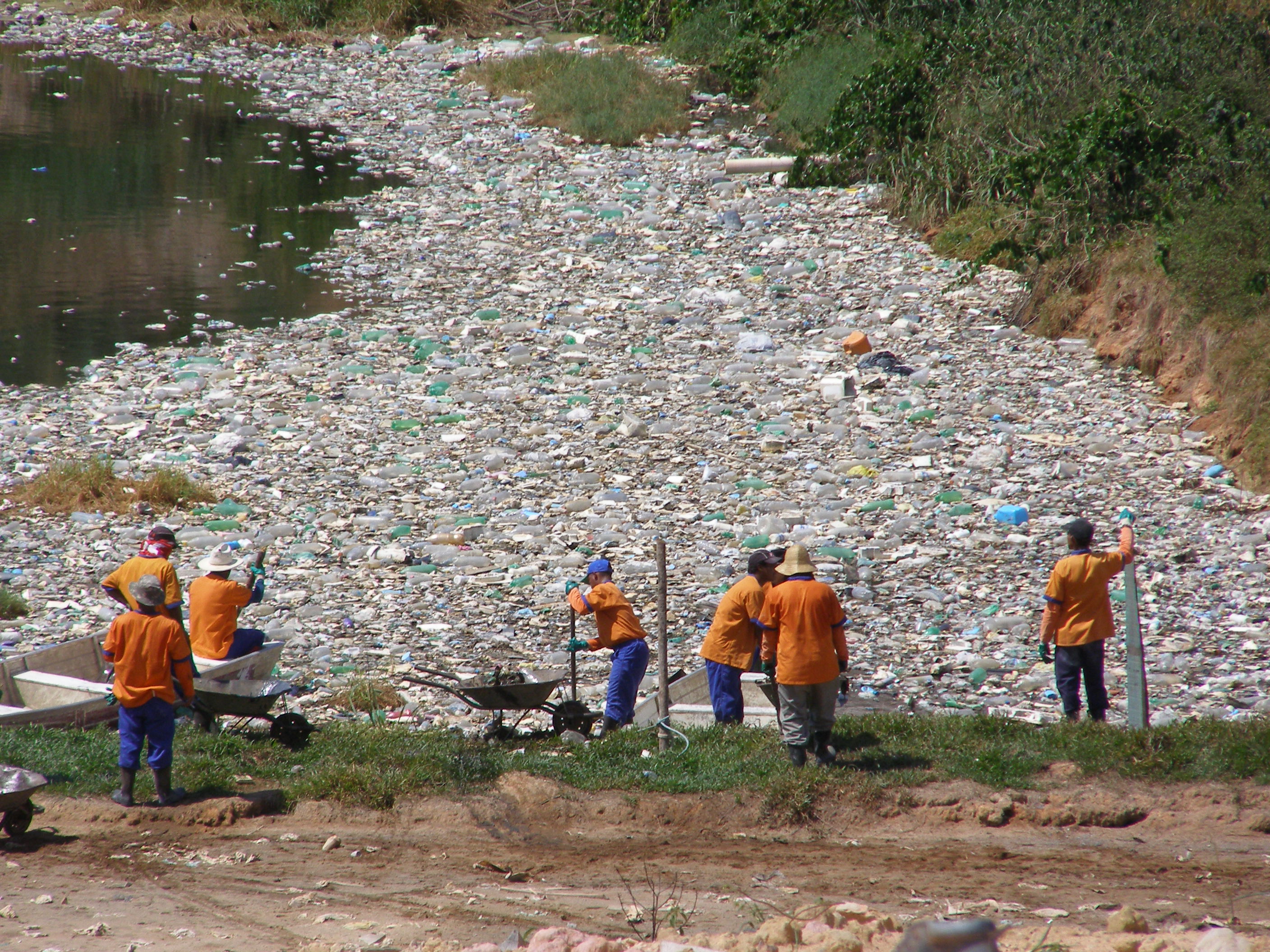
A primary concern associated with landfill operations pertains to the generation of leachate, defined as a liquid that emerges as a consequence of the decomposition of organic materials. The leachate generated poses a significant threat to the aquatic environment where it is discharged. This phenomenon is not confined to the active phase of the landfill, as leachate production persists even many years after the landfill has been closed. The present study evaluated the composition of the fish community, as well as the concentrations of metals in
the water and in the tissues of the fish, in a small stream that received leachate from a landfill in the city of
Manaus, Amazonas, Brazil. The headwaters of the small stream are located within the confines of the Adolpho Ducke Forest Reserve, a significant natural conservation area and a research hub for environmental studies in the Amazonian region. The concentrations of heavy metals in the leachate and in the tissues of fish did not exceed the limits established by CONAMA Resolution 357/2005. However, fluctuations in water quality
parameters, including pH (6.42 ± 0.72), dissolved oxygen levels (0.3 to 5.02 mgO2/L), and electric
conductivity, were observed during both the wet and dry seasons. A total of six fish species were documented
in the area contaminated by leachate, while a significantly higher number of 19 species were recorded in the
area that was not contaminated by leachate. Consequently, the composition of the fish community was
significantly impacted by the landfill leachate. Furthermore, the study area has been identified as a site for the emergence of invasive species.
Copyright (c) 2025 AGRI-ENVIRONMENTAL SCIENCES

This work is licensed under a Creative Commons Attribution-NonCommercial-NoDerivatives 4.0 International License.
Copyright
Upon acceptance of a manuscript, authors will be asked to complete an "exclusive license" form that will allow the manuscript to be disclosed in the form of open access. In order to do the work of publishing and disseminating the research paper manuscript we need the rights to publish. For open access manuscripts, we use an exclusive licensing agreement where authors retain copyright from their manuscript.
In this agreement the authors retain rights to:
-Patents and other intellectual property rights in manuscript
-The right to credit for published work