
SOYBEAN PRODUCTIVITY IN LATOSOL AND PLINTOSSOL PÉTRICO CONCRECIONÁRIO IN THE CERRADO
DOI:
https://doi.org/10.36725/agries.v10i1.9928Keywords:
Cerrado, Glycine max, No-tillage, ProductivityAbstract
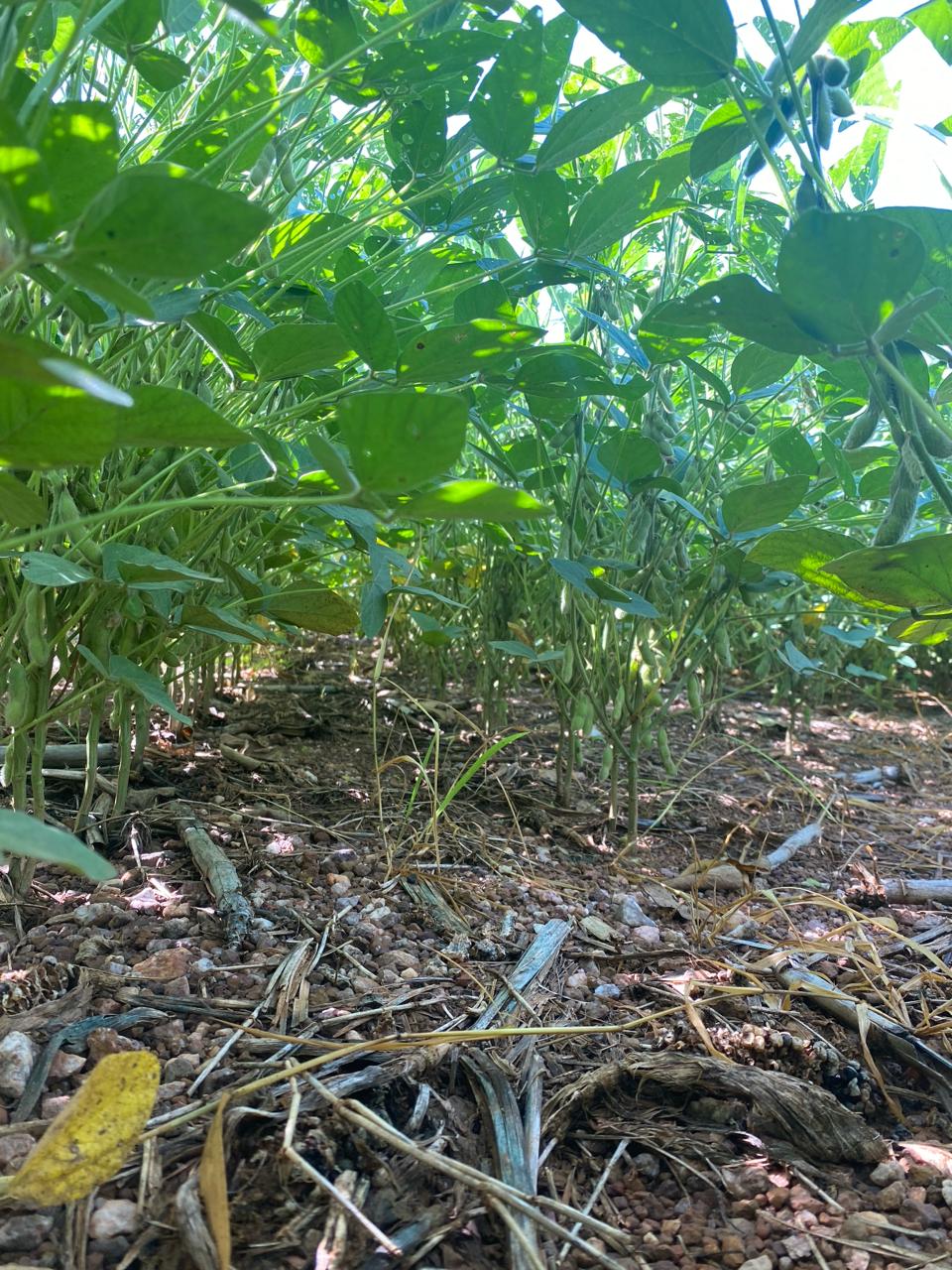
In Tocantins, approximately 35% of the pedological coverage is composed of some type of Plintossolo.
Considering the great potential for the development of soybean cultivation in the state, the use of these soils
is still empirical, due to the lack of research in the area. The objective was to evaluate the productivity of
soybean cultivated under direct sowing, in two classes (Latossolo and Plintossolos Pétricos) of soil in the
Cerrado biome. There was a significant difference between the results obtained for the variables plant height
and number of grains per pod, where the plants grown in Latossolo had the highest averages, 71.81 cm and
2.01 grains. The studied cultivar presented the plant population closest to that indicated when cultivated on an
Latosol (252.9 thousand plants per hectare). The productivity in the two classes did not differ statistically. It
was concluded that Plintossolos, in the adopted system, are suitable for soybean cultivation.
Downloads
Published
Issue
Section
License
Copyright
Upon acceptance of a manuscript, authors will be asked to complete an "exclusive license" form that will allow the manuscript to be disclosed in the form of open access. In order to do the work of publishing and disseminating the research paper manuscript we need the rights to publish. For open access manuscripts, we use an exclusive licensing agreement where authors retain copyright from their manuscript.
In this agreement the authors retain rights to:
-Patents and other intellectual property rights in manuscript
-The right to credit for published work






