ANALYSIS OF THE INFLUENCE OF TEMPERATURE ON THE DRYING KINETICS OF SOURSOP PULP
DOI:
https://doi.org/10.36725/agries.v12i2.11557Keywords:
foam-mat drying, fruits, mathematical modelingAbstract
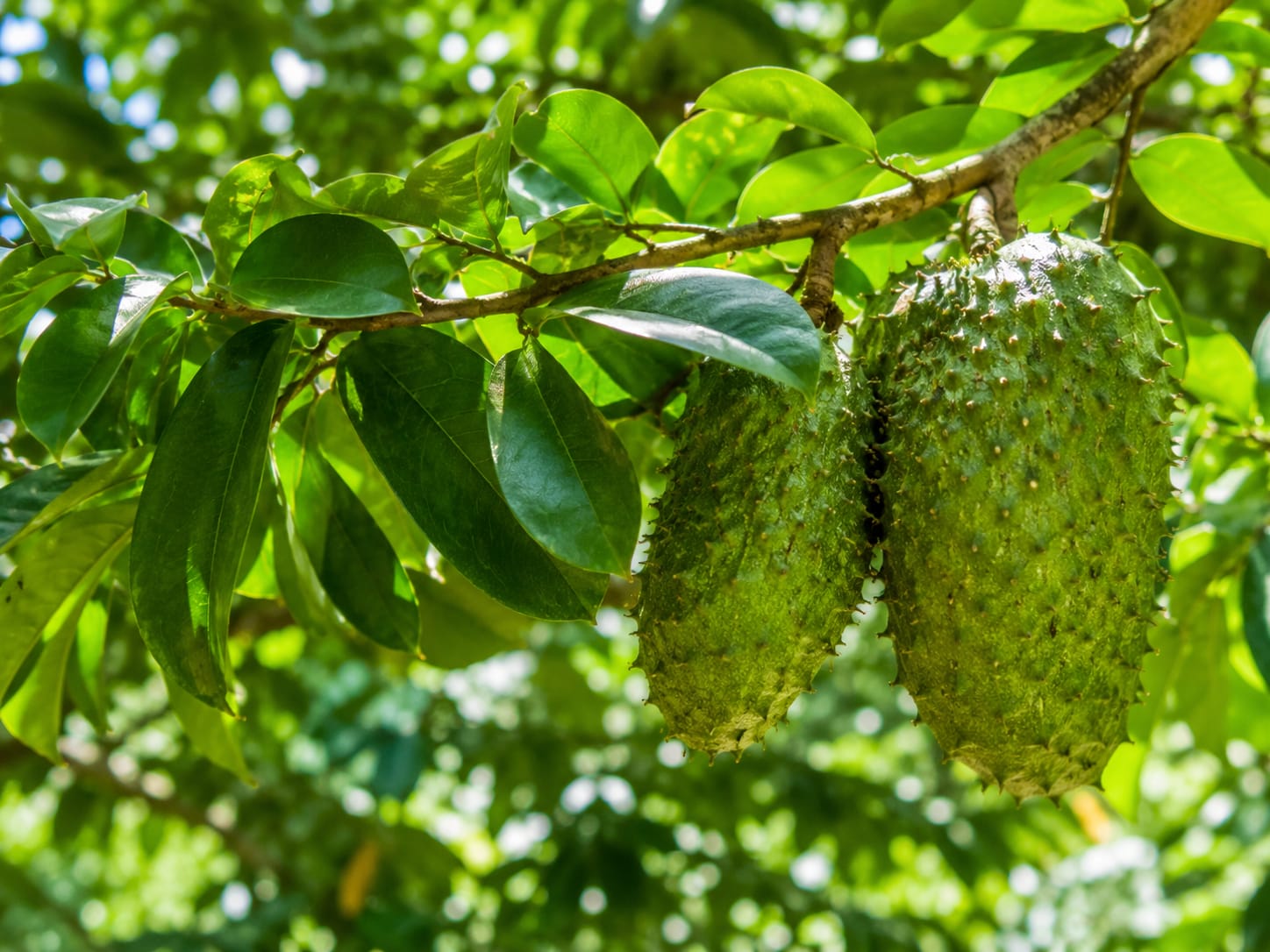
Soursop (Annona muricata L.), belonging to the Annonaceae family, is widely cultivated in the North and Northeast regions of Brazil, with its pulp being used in the production of juices, ice cream, jams, and sweets. This study aimed to evaluate the physicochemical properties of soursop pulp subjected to foam layer cleaning, as well as to identify the most suitable kinetic model to describe the drying process. The soursop pulp was acquired from rural producers (market vendors) in the municipality of Nova Mutum - MT, homogenized in a blender (Britânia Diamante 800 brand) and subsequently mixed with emulsifier (Emustab), being manipulated in a mixer (Arno Girando Chrome brand) until stable foam formation. The foams were distributed in Petri dishes and dried in an oven with forced air circulation and renewal at temperatures of 60, 70, and 80 °C. The results demonstrated that increasing the drying temperature reduced the processing time and the final moisture content. pH values ranged from 3.53 to 3.76, while acidity showed small variations with increasing temperature. Among the models evaluated, Page and Midilli and Kucuk presented the best fits to the experimental data, unlike the Henderson and Pabis model. A temperature of 80 °C was considered more efficient, as it reduced drying time without compromising the physicochemical characteristics of the pulp. The Page model stood out as the most suitable for representing the drying kinetics, presenting the fewest parameters, high coefficients of determination, and lower average errors compared to the other models analyzed.
Downloads
Published
Issue
Section
License
Copyright
Upon acceptance of a manuscript, authors will be asked to complete an "exclusive license" form that will allow the manuscript to be disclosed in the form of open access. In order to do the work of publishing and disseminating the research paper manuscript we need the rights to publish. For open access manuscripts, we use an exclusive licensing agreement where authors retain copyright from their manuscript.
In this agreement the authors retain rights to:
-Patents and other intellectual property rights in manuscript
-The right to credit for published work