ROSEMARY ROOTING: THE EFFECT OF NATURAL ROOTING AGENTS AND THE POSITION OF THE STAKE
DOI:
https://doi.org/10.36725/agries.v12i2.11217Keywords:
thermal stress, vegetative propagation, cuttings, phytohormones, rhizogenesisAbstract
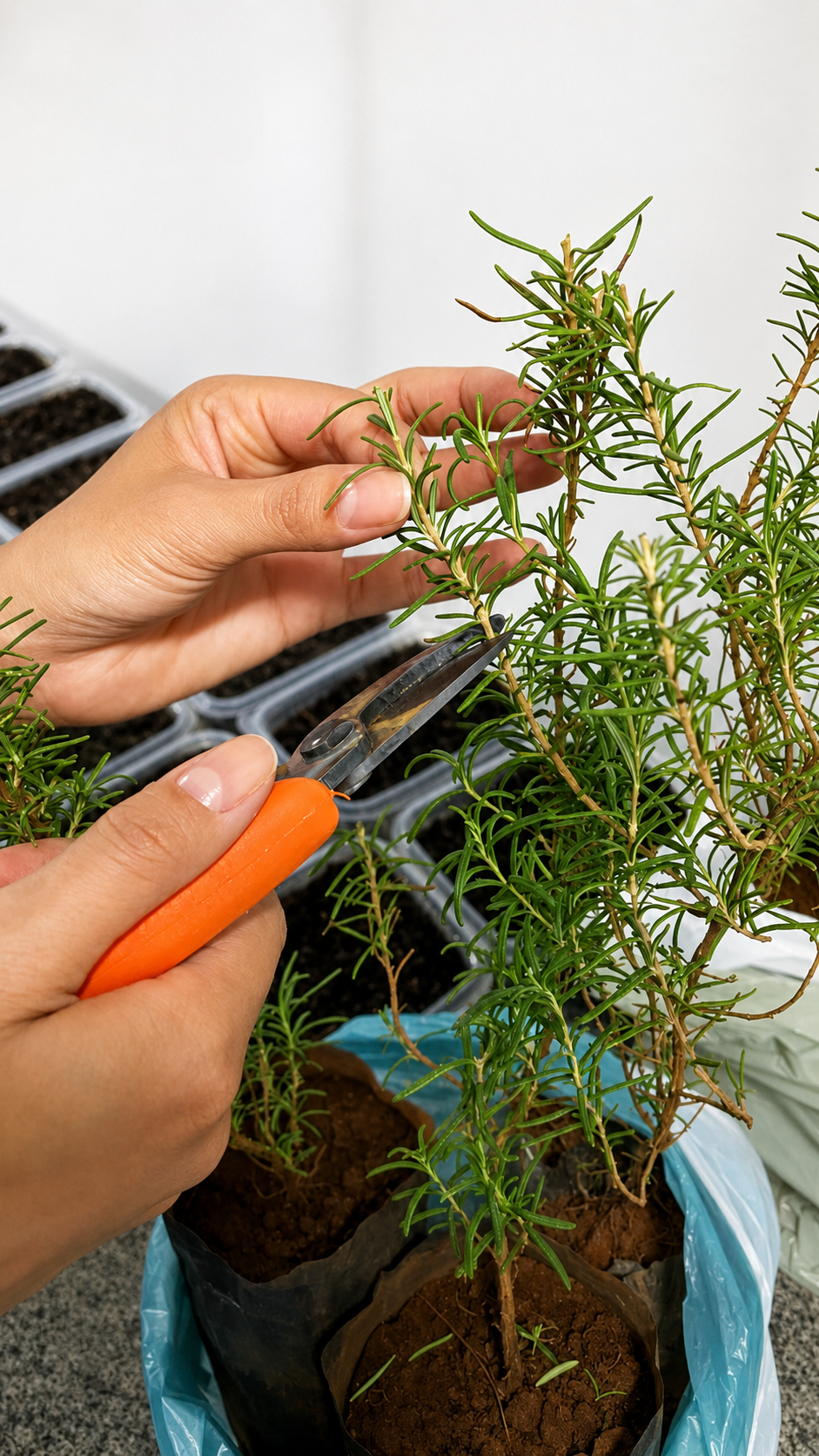
Rosemary (Salvia rosmarinus) is widely used in culinary, cosmetic, and traditional medicine applications, and its propagation depends on the successful rooting of cuttings. The search for sustainable alternatives to synthetic hormones has encouraged the use of natural rooting agents, especially in family farming systems. This study aimed to evaluate the effect of different natural rooting agents and cutting positions on the rooting of rosemary cuttings under full sun conditions in Tocantins, Brazil. The experiment was conducted in a completely randomized design using apical, median, and basal cuttings subjected to the following treatments: distilled water, coconut water (50%), honey (3%), Aloe vera gel (50%), and lentil sprout extract (10%). After 45 days, cutting survival and rooting-related variables were evaluated. Root formation was low and inconsistent across treatments, with high mortality rates, indicating no effect of the evaluated factors under the studied conditions, with the full sun environment identified as the main limiting factor for rooting. Distilled water showed the best relative performance, while apical cuttings exhibited higher survival. It is concluded that, under the evaluated conditions, natural rooting agents did not promote rooting enhancement, and the use of protected and shaded environments is recommended to improve rooting success.
Downloads
Published
Issue
Section
License
Copyright
Upon acceptance of a manuscript, authors will be asked to complete an "exclusive license" form that will allow the manuscript to be disclosed in the form of open access. In order to do the work of publishing and disseminating the research paper manuscript we need the rights to publish. For open access manuscripts, we use an exclusive licensing agreement where authors retain copyright from their manuscript.
In this agreement the authors retain rights to:
-Patents and other intellectual property rights in manuscript
-The right to credit for published work