STRUCTURE AND FLORISTIC COMPOSITION OF A SUBMONTANE SEMIDECIDUOUS FOREST IN THE MATO GROSSO AMAZON
DOI:
https://doi.org/10.36725/agries.v11i2.10713Keywords:
horizontal structure, phytosociology, Marcelândia-MTAbstract
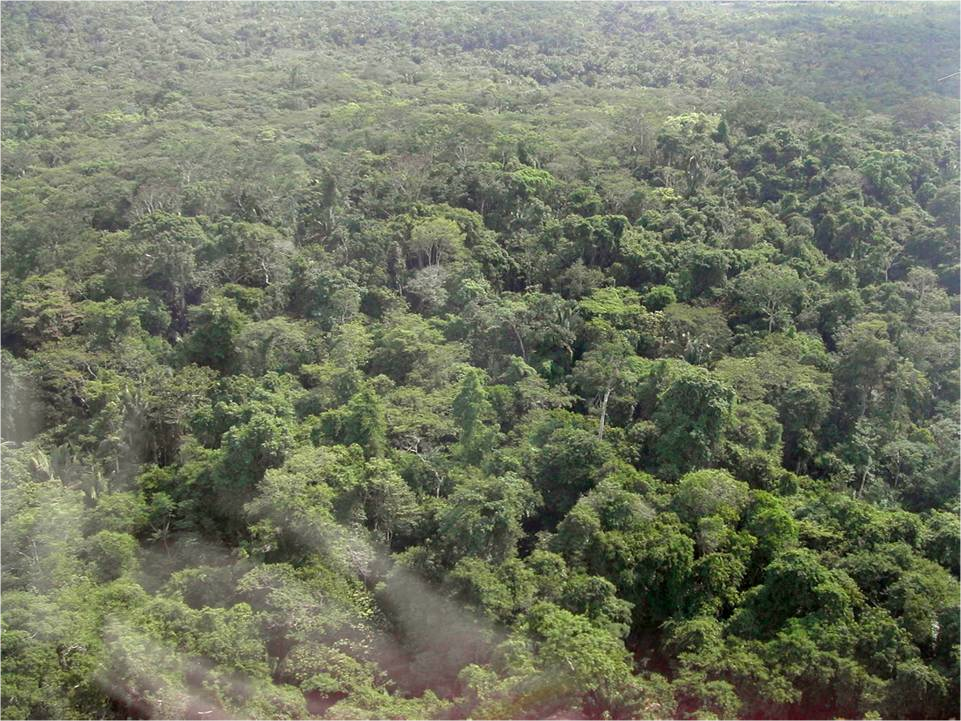
The aim of this study was to characterize the horizontal structure of an area of submontane semi-deciduous
forest located in Marcelândia, Mato Grosso, Brazil. The structure was sampled using the plot method,
considering all individuals with a circumference at breast height (CBH)—measured 1.3 m above ground
level—greater than or equal to 45 cm. Phytosociological parameters assessed were: absolute and relative
density, dominance, frequency, cover value index, and importance value index (IVI). The ten species with the
highest IVI were: Manilkara sp., Ocotea sp., Brosimum lactescens, Esenbeckia leiocarpa, Ouratea sp.,
Miconia sp., Mouriri sp., Albizia hassleri, Trattinnickia burseraefolia, and Mezilaurus itauba. These ten
species collectively accounted for 49.92% of the total IVI. The results indicate that the study area has a diverse
and structurally balanced floristic composition, with no single species exhibiting distinct predominance.
Downloads
Published
Issue
Section
License
Copyright
Upon acceptance of a manuscript, authors will be asked to complete an "exclusive license" form that will allow the manuscript to be disclosed in the form of open access. In order to do the work of publishing and disseminating the research paper manuscript we need the rights to publish. For open access manuscripts, we use an exclusive licensing agreement where authors retain copyright from their manuscript.
In this agreement the authors retain rights to:
-Patents and other intellectual property rights in manuscript
-The right to credit for published work