ANALYSIS OF THE COMMERCIALIZATION OF THE AÇAÍ PRODUCTION CHAIN IN MÉDIO SOLIMÕES: A CASE STUDY IN THE CITY OF COARI, AMAZONAS
Keywords:
Euterpe precatoria, Plant extractivism, Seasonality, Socio-bioeconomyAbstract
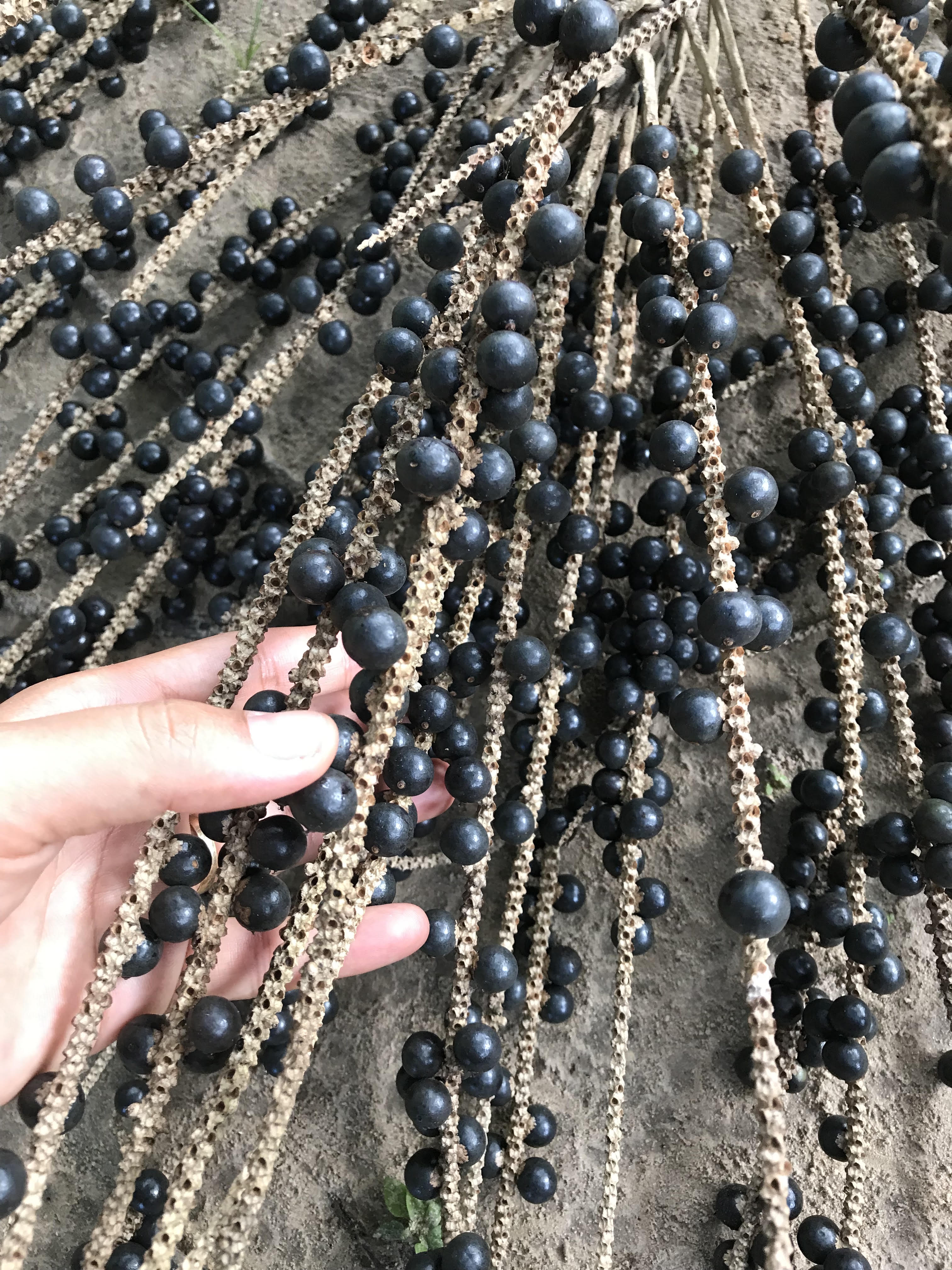
The demand for açaí fruit has been growing significantly, contributing to the household income of riverside and rural communities in the Amazon and serving as a source of economic and social development in the region. The objective of this study was to analyze the commercialization of açaí in the urban area of the city of Coari, Amazonas. The adopted methodology followed a qualitative and quantitative approach, was descriptive and exploratory in nature, and had a longitudinal design. It consisted of gathering information on the origin, prices, difficulties faced by traders, and points of sale of açaí. To this end, a structured questionnaire was applied to 40 traders over a period of 10 months and the data were analyzed using descriptive statistics (absolute and relative frequencies, means, minimum and maximum values and percentage variations). It was observed that açaí production and commercialization are directly influenced by seasonality and price variations throughout the year. The monthly mean price per litre ranged from R$ 12.83 (November 2023) to R$ 7.20 (April 2024), a reduction of 43.9%, while the monthly mean price per sack ranged from R$ 350.00 (November and December) to R$ 130.00 (March). The number of active points of sale in the urban area varied from 8 (December) to 48 (May), and 70.0% of the respondents were male. The research revealed the predominance of açaí sales from rural areas (52.5% of the establishments) and the essential role of families in the development of this sector, which is strongly rooted in the tradition of family farming. The assessment of açaí commercialization contributed to a better understanding of the primary sector and trade, as well as to improving açaí production in Médio Solimões.
Downloads
Published
Issue
Section
License
Copyright
Upon acceptance of a manuscript, authors will be asked to complete an "exclusive license" form that will allow the manuscript to be disclosed in the form of open access. In order to do the work of publishing and disseminating the research paper manuscript we need the rights to publish. For open access manuscripts, we use an exclusive licensing agreement where authors retain copyright from their manuscript.
In this agreement the authors retain rights to:
-Patents and other intellectual property rights in manuscript
-The right to credit for published work