DIFFERENT GENERATING A DIAMETRIC DISTRIBUTION IN CERRADO FOREST
DOI:
https://doi.org/10.36725/agries.v11i2.10832Keywords:
forest inventory, probability distribution, regression equationsAbstract
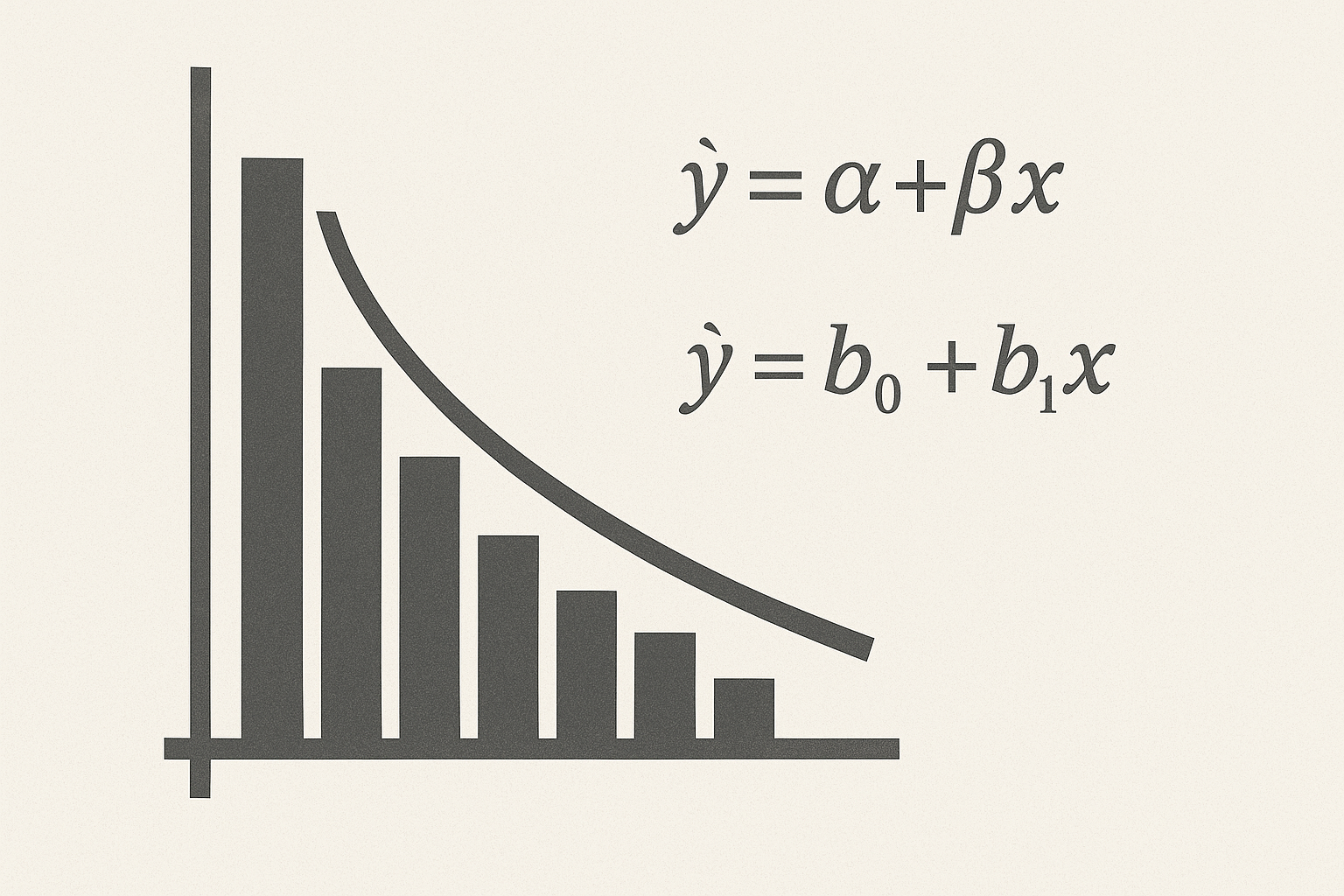
The diametric distribution of natural forests that have balanced successional dynamics presents a diametric
distribution with an "inverted-J" trend. This characteristic is widely applied in decision-making and in the
study of sustainable forest management in different regions of Brazil. Thus, this study aimed to analyze the
diameter distribution in an area of Cerrado stricto sensu using different elaboration methods and the Weibull
and Sb Johnson probability density functions. Nine methods of creating a diametric distribution and two
probability functions were evaluated. Data were collected through a forest inventory using the fixed area
method with 10 rectangular sampling units of 1,000 m² each, distributed using a systematic procedure in an
area of Cerrado sensu stricto located in Goiatins, northeastern region of the state of Tocantins. Initially, through
a preliminary graphical analysis, four methods were identified that highlighted a characteristic diametric
distribution of native forest with a “J – inverted” trend and an acceptable number of diameter classes, namely,
methods: Sturges (ST), Angeline & Milone (AM), fixed amplitude of 5 cm (AC5) and inequality (Ds). The
results obtained by adjusting the Weibull and Sb Johnson probability functions made it possible to verify the
superiority of the Sb Johnson distribution as it has better adherence to the observed data expressed by the
Kolmogorov-Smirnov (K-S) test with 95% probability. When preparing the diameter distribution of the
cerrado, the Angeline and Milone (AM) method was highlighted, as it demonstrated greater suitability for the
analyzed parameters.
Downloads
Published
Issue
Section
License
Copyright
Upon acceptance of a manuscript, authors will be asked to complete an "exclusive license" form that will allow the manuscript to be disclosed in the form of open access. In order to do the work of publishing and disseminating the research paper manuscript we need the rights to publish. For open access manuscripts, we use an exclusive licensing agreement where authors retain copyright from their manuscript.
In this agreement the authors retain rights to:
-Patents and other intellectual property rights in manuscript
-The right to credit for published work