COMMERCIALIZATION AND LANDSCAPE USE OF NATIVE AND EXOTIC PALMS IN MANAUS, AMAZONAS, BRAZIL
DOI:
https://doi.org/10.36725/agries.v12i3.12046Keywords:
Amazon, Arecaceae, native ornamental plants, sustainable landscapingAbstract
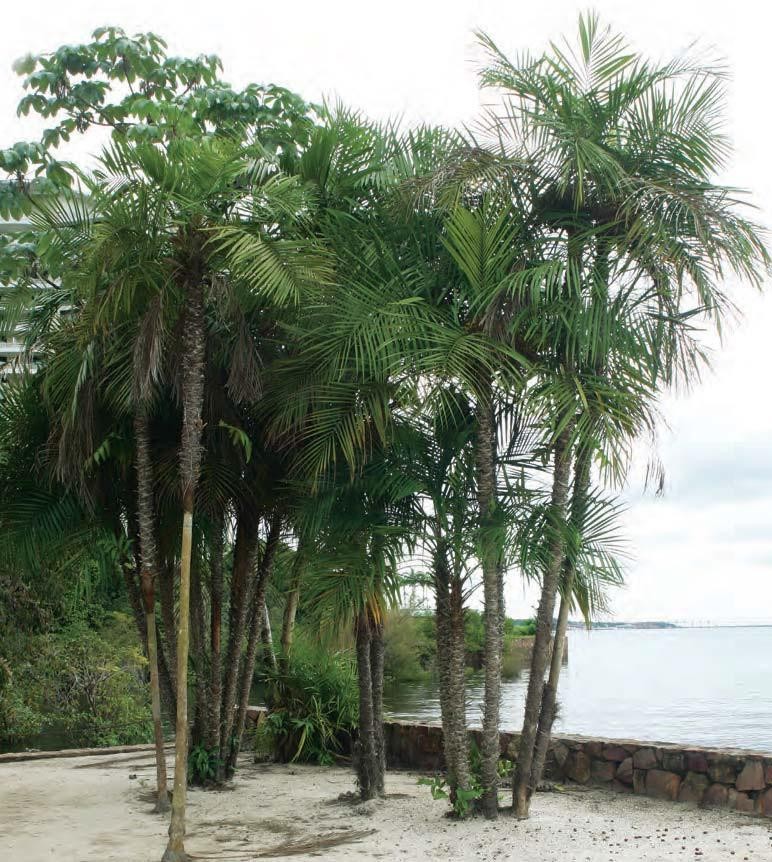
The Amazon harbors a high diversity of palms with ornamental potential; however, their participation in landscaping and in the ornamental plant market remains limited. This study characterized the commercialization and landscaping use of native and exotic palms in the municipality of Manaus, Amazonas, seeking to understand the factors associated with the predominance of exotic species. An exploratory study employing qualitative and quantitative approaches was conducted, combining a literature review, documentary research, and fieldwork. Palms were inventoried at 73 sites distributed across 14 public roads, and questionnaires were administered to 13 retailers, as well as to 14 landscaping firms. Twenty-four species were identified, eight of which were native to the Amazon biome. Native species accounted for only 13.3% of the relative frequency and 9.43% of the relative abundance, whereas exotic species represented 90.57% of the recorded individuals. Exotic species also predominated in the recommendations and uses reported by retailers and landscape professionals, influenced mainly by market availability, ease of acquisition, and customer preferences. The limited supply of native seedlings, dependence on suppliers from other regions, legal constraints, insufficient appreciation of the local flora, and gaps in professional training are relevant factors contributing to the persistence of this scenario. It is concluded that research, production, and commercialization of Amazonian palms must be strengthened, alongside greater public-sector involvement and interdisciplinary training to consolidate sustainable landscaping practices aligned with the local biome.
Downloads
Published
Issue
Section
License
Copyright
Upon acceptance of a manuscript, authors will be asked to complete an "exclusive license" form that will allow the manuscript to be disclosed in the form of open access. In order to do the work of publishing and disseminating the research paper manuscript we need the rights to publish. For open access manuscripts, we use an exclusive licensing agreement where authors retain copyright from their manuscript.
In this agreement the authors retain rights to:
-Patents and other intellectual property rights in manuscript
-The right to credit for published work