
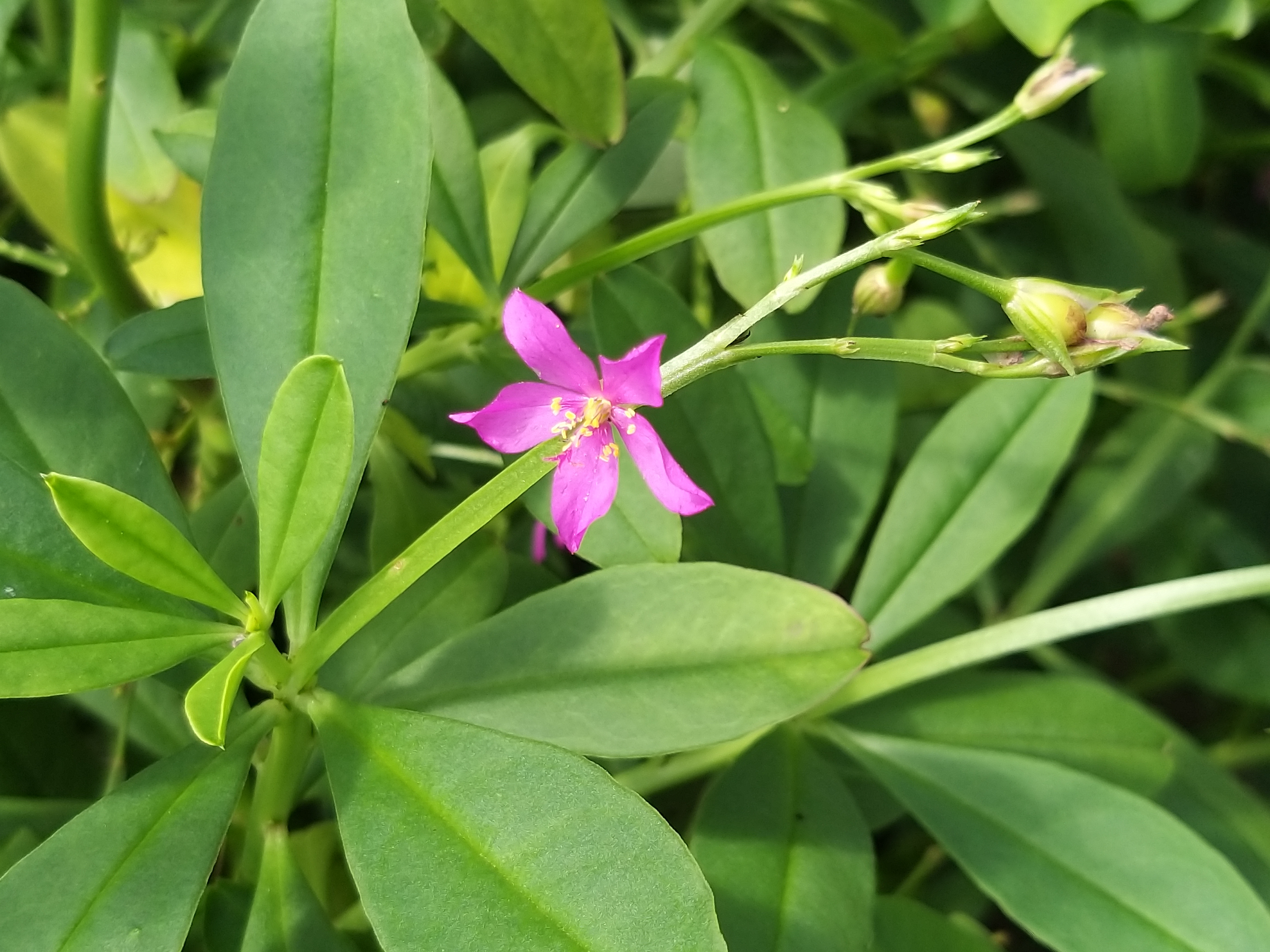
CHARACTERISTICS OF STEM CUTTINGS AND THE ROOTING ENVIRONMENT IN THE PRODUCTION OF Talinum Fruticosum SEEDLINGS
DOI:
https://doi.org/10.36725/agries.v12i1.11400Keywords:
Herbaceous vegetable, unconventional vegetable, vegetative propagation, TalinaceaeAbstract
Talinum fruticosum is an unconventional vegetable found in the Amazon, usually propagated by cuttings. This study aimed to verify the influence of the type and size of stem cuttings, the presence of leaves on the stem cuttings, and the level of shading in the rooting environment on the quality of seedlings produced of this species. Thus, three sequential experiments were carried out in a completely randomized design in Manaus, State of Amazonas, Brazil, namely: Experiment 1 - in a 2 x 3 factorial scheme (two types of cuttings, according to their position on the branch: apical and basal; and three cutting sizes: 10 cm, 12 cm and 15 cm), with four replications of 10 cuttings each; Experiment 2 - in a 2 x 2 factorial scheme (two types of cuttings, according to their position on the branch: apical and basal; and two cutting sizes: 12 cm and 15 cm), with five replications of 10 cuttings each; and Experiment 3 - in a 2 x 2 x 2 factorial scheme (two cutting sizes: 12 cm and 15 cm; presence of leaves: with and without leaves; and two levels of shading in the rooting environment: 0% - full sun and 40% - shade), with four replications of 10 cuttings each. The cuttings were planted in commercial substrate and subsequently evaluated for the number of sprouted cuttings, rooted cuttings, and shoots percutting, as well as the dry mass of shoots and roots per cutting. Stem cuttings of T. fruticosum exhibit easy rooting and sprouting (greater than 90%), but some characteristics of the cuttings and the rooting environment should be considered during planting. Therefore, preferably, basal and apical stem cuttings of 12 cm to 15 cm in length with leaves should be used and planted in full sun.
Downloads
Published
Issue
Section
License
Copyright
Upon acceptance of a manuscript, authors will be asked to complete an "exclusive license" form that will allow the manuscript to be disclosed in the form of open access. In order to do the work of publishing and disseminating the research paper manuscript we need the rights to publish. For open access manuscripts, we use an exclusive licensing agreement where authors retain copyright from their manuscript.
In this agreement the authors retain rights to:
-Patents and other intellectual property rights in manuscript
-The right to credit for published work






