
ADJUSTMENT OF HYPSOMETRIC MODELS IN CLONAL EUCALYPTUS IN THE CERRADO
DOI:
https://doi.org/10.36725/agries.v12i1.11265Keywords:
Height–diameter relationship, Eucalyptus, forest inventoryAbstract
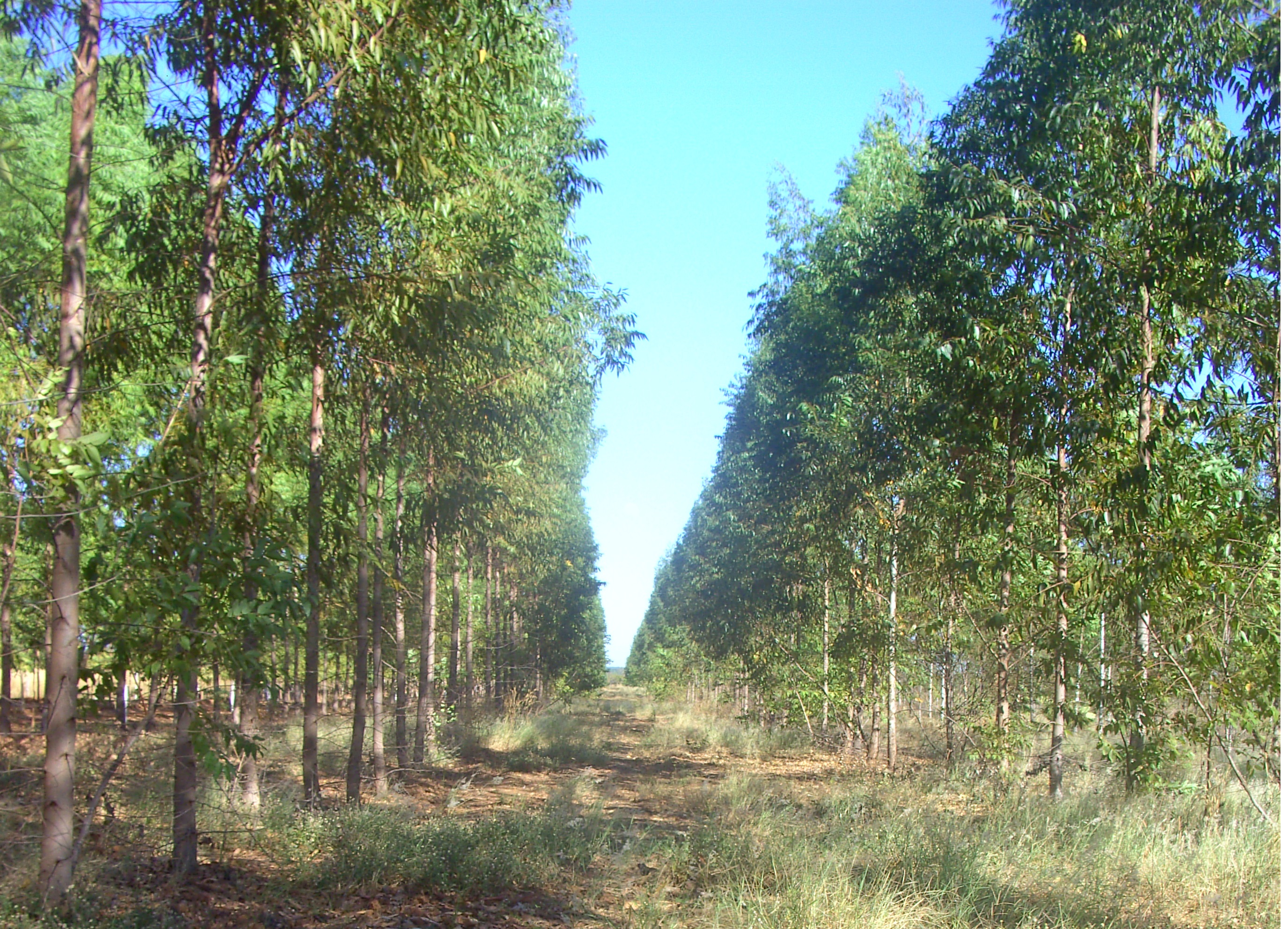
The present study aimed to fit and evaluate hypsometric models to estimate total tree height in clonal Eucalyptus plantations established in a Cerrado area. Data from a forest inventory at 47 months of age were used, covering four clones (E224, I144, E1428, and VM58). The measured variables included diameter at breast height (DBH), total height and dominant height, collected in rectangular plots of 348 m² distributed across a 78 ha commercial plantation. Different classical and nonlinear hypsometric models were fitted, and their performance was compared using indicators such as adjusted coefficient of determination (adjusted R²), standard error of the estimate (SEE), parameter significance, and graphical analysis of residuals. Based on statistical criteria (adjusted R² and SEE) and residual analysis, models M2, M6, M10, M11, and M14 were selected for independent validation. Models M6 and M10 stood out with better performance in validation and were subsequently fitted by clone. Model M6 showed the lowest percentage error (SEE = 7.98%), high explanatory power (adjusted R² = 0.7507) and greater stability among clones, being indicated as the most suitable for operational use. Independent validation confirmed the superior performance of M6, with a high correlation (r = 0.9038) and a homogeneous distribution of residuals. Considering statistical stability, precision and biological consistency, model M6 is the most appropriate hypsometric equation for estimating total height in clonal eucalyptus plantations in the Cerrado of Tocantins. The study contributes to improving forest inventory processes in the region by providing robust and validated alternatives for dendrometric estimates.
Downloads
Published
Issue
Section
License
Copyright
Upon acceptance of a manuscript, authors will be asked to complete an "exclusive license" form that will allow the manuscript to be disclosed in the form of open access. In order to do the work of publishing and disseminating the research paper manuscript we need the rights to publish. For open access manuscripts, we use an exclusive licensing agreement where authors retain copyright from their manuscript.
In this agreement the authors retain rights to:
-Patents and other intellectual property rights in manuscript
-The right to credit for published work






