INSECT PESTS ASSOCIATED WITH DIFFERENT PLANT SPECIES IN AN AGROECOLOGICAL PRODUCTION SYSTEM
DOI:
https://doi.org/10.36725/agries.v12i3.11913Keywords:
Family farming, agroecology, insect pests, IPM, sustainabilityAbstract
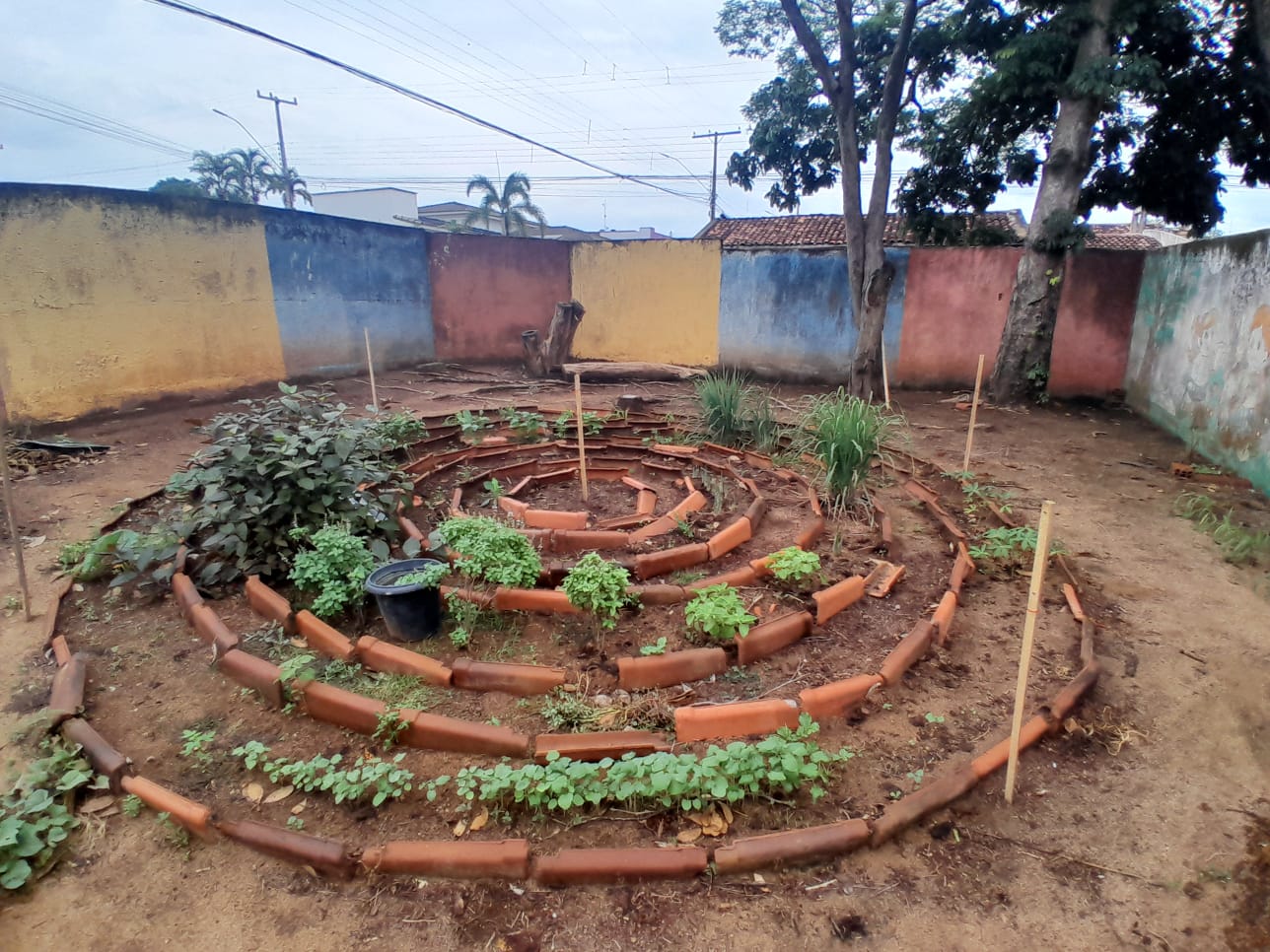
Agroecological cultivation in mandala gardens has emerged as a sustainable alternative for food production, biodiversity conservation, and the strengthening of environmental education. In this context, the present study aimed to characterize the diversity of insect pests associated with the crops in an agroecological production system. The research was developed at the Paraíso do Tocantins Campus (UNITINS) through a practical, descriptive, exploratory approach with a qualitative methodology. Field observations were conducted directly in the experimental area of the Integrated and Sustainable Agroecological Production System (PAIS), identifying conventional crops, medicinal plants, and unconventional food plants (PANC), as well as the presence of insects and possible damage associated with plant species. During the analysis, a diversity of plants was observed, including vegetables (Brassica oleracea L., Abelmoschus esculentus L., and Pereskia aculeata Mill.), cereals (Zea mays L.), and medicinal herbs (Alternanthera brasiliana L.), adapted to the agroecological system. The occurrence of insect pests distributed among the orders Lepidoptera, Orthoptera, and Hemiptera found in the plant species of the PAIS system was identified. The recurring damage caused by chewing insects such as caterpillars (Ascia monuste orseis Godart) and grasshoppers (Schistocerca cancellata Serville) was more evident than that caused by phytophagous insects, leafhoppers (Dalbulus maidis DeLong & Wolcott) and true bugs (Dysdercus spp. L. and Nezara viridula L.). Cabbage and corn crops showed a higher incidence of damage caused mainly by caterpillars, grasshoppers, and stink bugs, while species such as ora-pro-nóbis and terramicina, medicinal plants and PANC (non-conventional food plants), respectively, demonstrated greater tolerance to attacks. For the PAIS system, the study reinforces the importance of agroecology and plant biodiversity in the balance of the agricultural environment and recommends visual monitoring, accompanied by crop diversification in the same area, permanent soil cover, conservation of resources for beneficial organisms, and thus mitigation in the use of chemicals.
Downloads
Published
Issue
Section
License
Copyright
Upon acceptance of a manuscript, authors will be asked to complete an "exclusive license" form that will allow the manuscript to be disclosed in the form of open access. In order to do the work of publishing and disseminating the research paper manuscript we need the rights to publish. For open access manuscripts, we use an exclusive licensing agreement where authors retain copyright from their manuscript.
In this agreement the authors retain rights to:
-Patents and other intellectual property rights in manuscript
-The right to credit for published work