PRODUCTION OPTIMIZATION OF ORA-PRO-NÓBIS PROTEIN HYDROLYSATE FOR FOOD PRODUCTS USE
DOI:
https://doi.org/10.36725/agries.v11i1.10533Palabras clave:
Pereskia aculeata Mill., Pereskia grandifolia Haw., hydrolysis, bromelainResumen
Despite the vast biodiversity of edible plant species, humans utilize only about one thousand species. Plants
that are unknown, underutilized, and have one or more edible parts are referred to as Non-Conventional
Edible Plants (NCEPs). Among them, Ora-pro-nobis (OPN) stands out for its high protein content. This
study aimed to perform the physicochemical characterization of flour derived from two Ora-pro-nobis
species, namely Pereskia aculeata Mill (PAM) and Pereskia grandifolia Haw (PGH). The species were
analyzed for moisture, protein, lipids, crude fiber, and ash content. The flour from the species with the
highest protein content was subjected to enzymatic hydrolysis. To optimize the production of the protein
hydrolysate, a Rotatable Central Composite Design (RCCD) was adopted, evaluating the independent
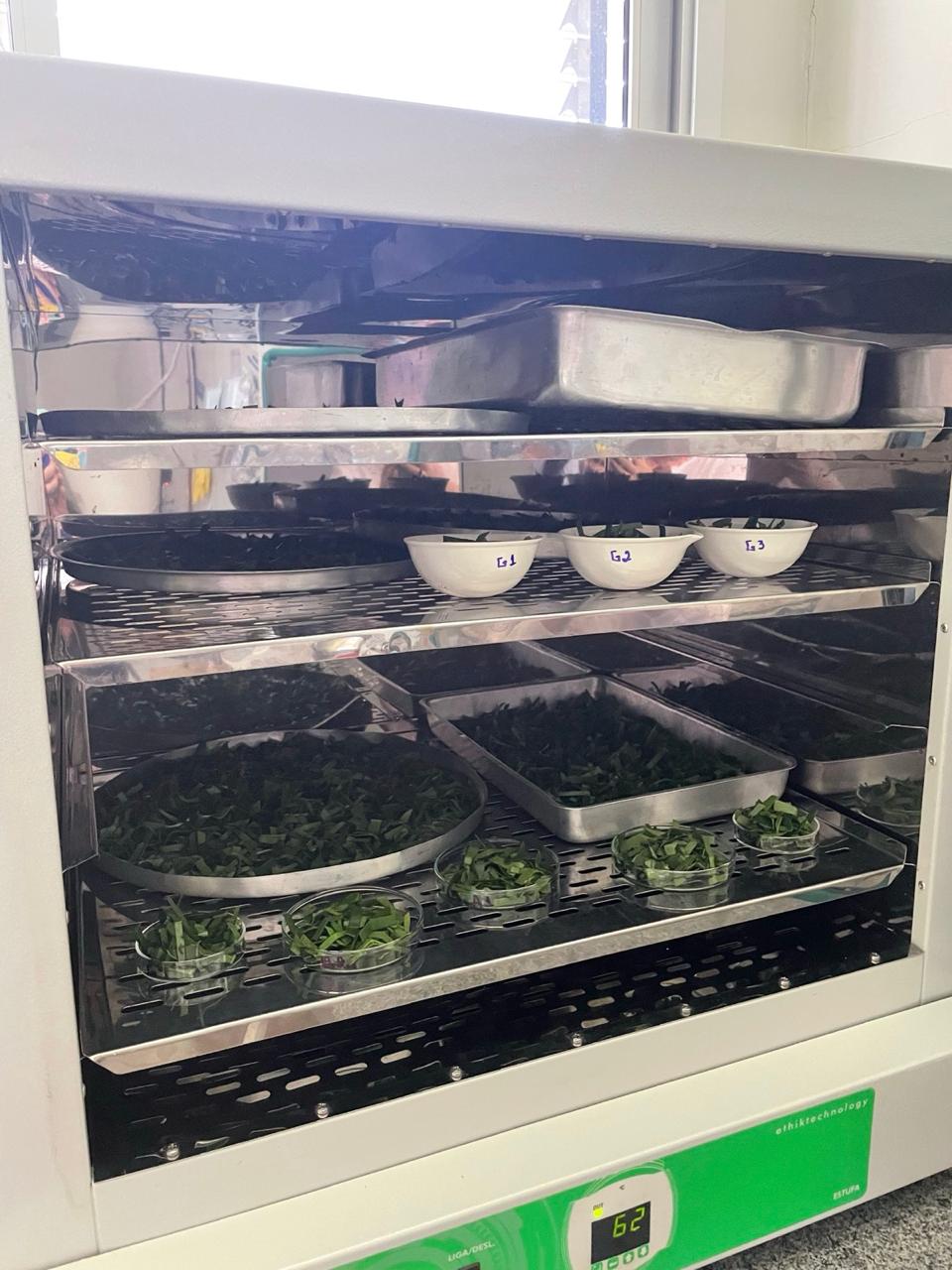
variables time, temperature, and enzyme concentration. The dependent variables analyzed were the degree of hydrolysis and the percentage of free radical scavenging activity. The present study shows that OPN presents high levels of protein, fiber, and minerals, indicating that this plant source has potential to contribute to the diet to meet the recommended daily intake of these nutrients. However, enzymatic hydrolysis with bromelain had no significant effect on the degree of hydrolysis or free radical scavenging percentage, indicating that the model was not predictive for this experiment. Therefore, further studies on the nutritional analyses of Ora-pro-nobis are suggested to enhance its potential for developing new products, food enrichment, and formulations as a substitute for proteins and nutrients derived from animal products.
Descargas
Publicado
Número
Sección
Licencia
Direitos autorais
Após a aceitação de um artigo, os autores serão convidados a preencher um formulário de " licença exclusiva” que permitirá a divulgação do artigo na forma de acesso aberto. Para podermos fazer o trabalho de publicação e divulgação do artigo de pesquisa precisamos dos direitos para publicação. Para artigos de acesso aberto, usamos um acordo exclusivo de licenciamento em que os autores mantêm os direitos autorais em/de seu artigo.
Neste acordo os autores mantêm direitos sobre:
-Patentes e outros direitos de propriedade intelectual no artigo
-O direito de crédito para o trabalho publicado
Política de Acesso
Os artigos pulicados nesta revista são de acesso aberto, devem ser compartilhados livremente desde que a fonte e seus autores sejam citados de maneira adequada, visando à preservação dos direitos autorais e propriedade intelectual. Os trabalhos publicados na revista serão simultaneamente licenciados sob a Creative Commons Attribution License (CC BY-NC-ND), permitindo o compartilhamento do artigo com reconhecimento da autoria do trabalho e da publicação inicial nesta revista.