EFFECT OF SOIL REMINERALIZATION ON THE CARBON BALANCE IN THE SUGARCANE LIFE CYCLE
DOI:
https://doi.org/10.36725/agries.v12i3.12084Keywords:
carbon credits, greenhouse gas emissions, conventional management, alternative managementAbstract
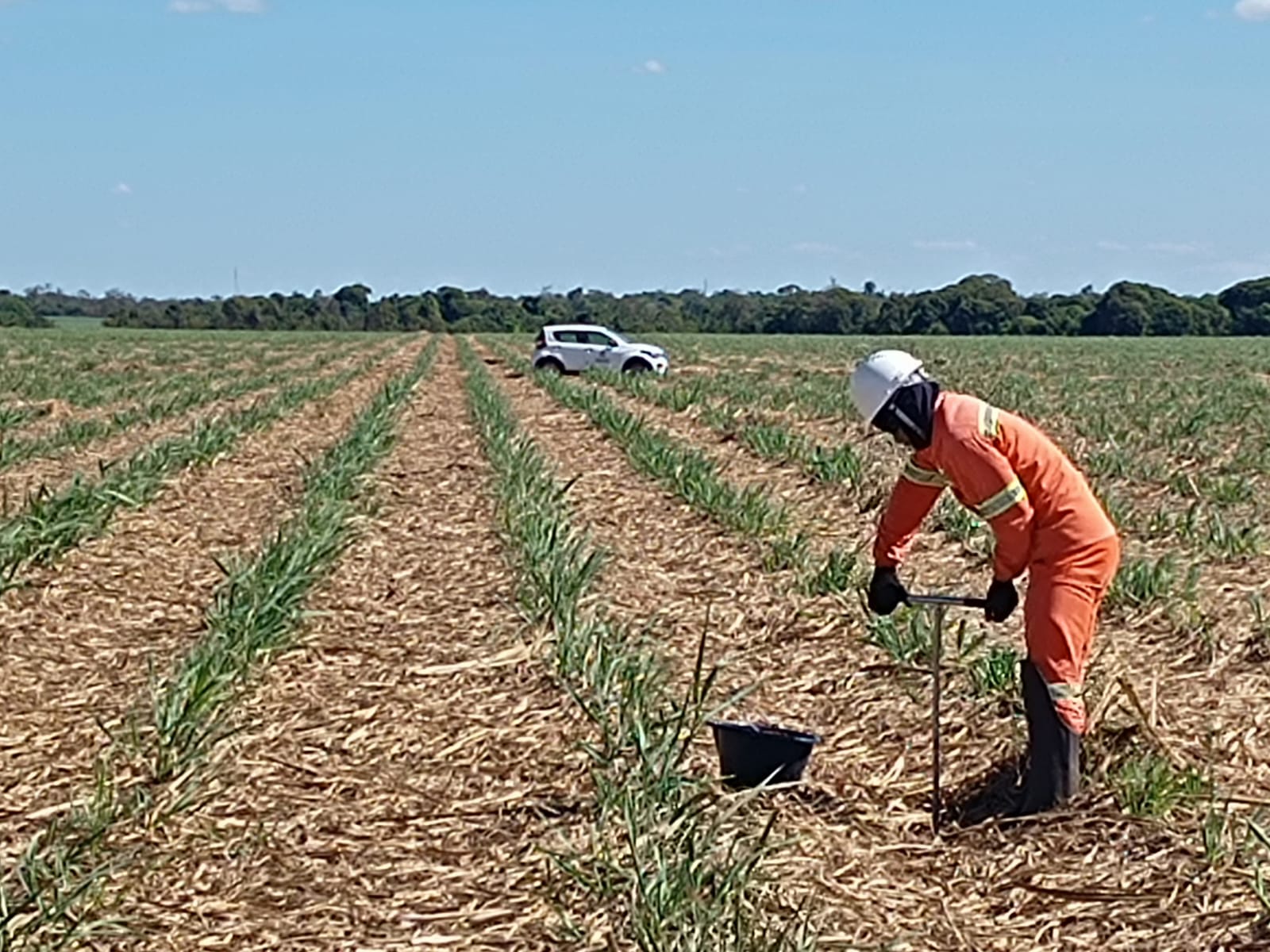
This study assessed the life cycle (LCA) of sugarcane agricultural production at the BP Bunge plant in Pedro Afonso - TO (2023/24 harvest), comparing conventional management (NPK fertilizer) with an alternative management using soil remineralization instead of soluble fertilizer. GHG emissions were estimated using IPCC/Ecoinvent factors and processed in OpenLCA software. Results show conventional management emitted 15% more CO2eq than the alternative, with fuel consumption as the main impact source in both systems. Considering the remineralizer's carbon removal potential (0,234 t CO2eq t⁻¹), the alternative management achieved a 46,8% net emission reduction per hectare. Scaled to the total cultivated area (35.000 ha), the removal potential could reach approximately 32.000 carbon credits per year. The findings indicate that soil remineralization is an effective greenhouse gas removal technology for mitigating sugarcane production emissions.
Downloads
Published
Issue
Section
License
Copyright
Upon acceptance of a manuscript, authors will be asked to complete an "exclusive license" form that will allow the manuscript to be disclosed in the form of open access. In order to do the work of publishing and disseminating the research paper manuscript we need the rights to publish. For open access manuscripts, we use an exclusive licensing agreement where authors retain copyright from their manuscript.
In this agreement the authors retain rights to:
-Patents and other intellectual property rights in manuscript
-The right to credit for published work