SOYBEAN CROP PERFORMANCE IN RESPONSE TO FERTILIZATION SOURCES AND RATES IN DIFFERENT SOIL TYPES AND GROWING CONDITIONS
DOI:
https://doi.org/10.36725/agries.v11i2.10705Keywords:
Typic Quartzipsamment, Petric Plinthosol with Argic horizon characteristics, Rock remineralizer, Rock phosphateAbstract
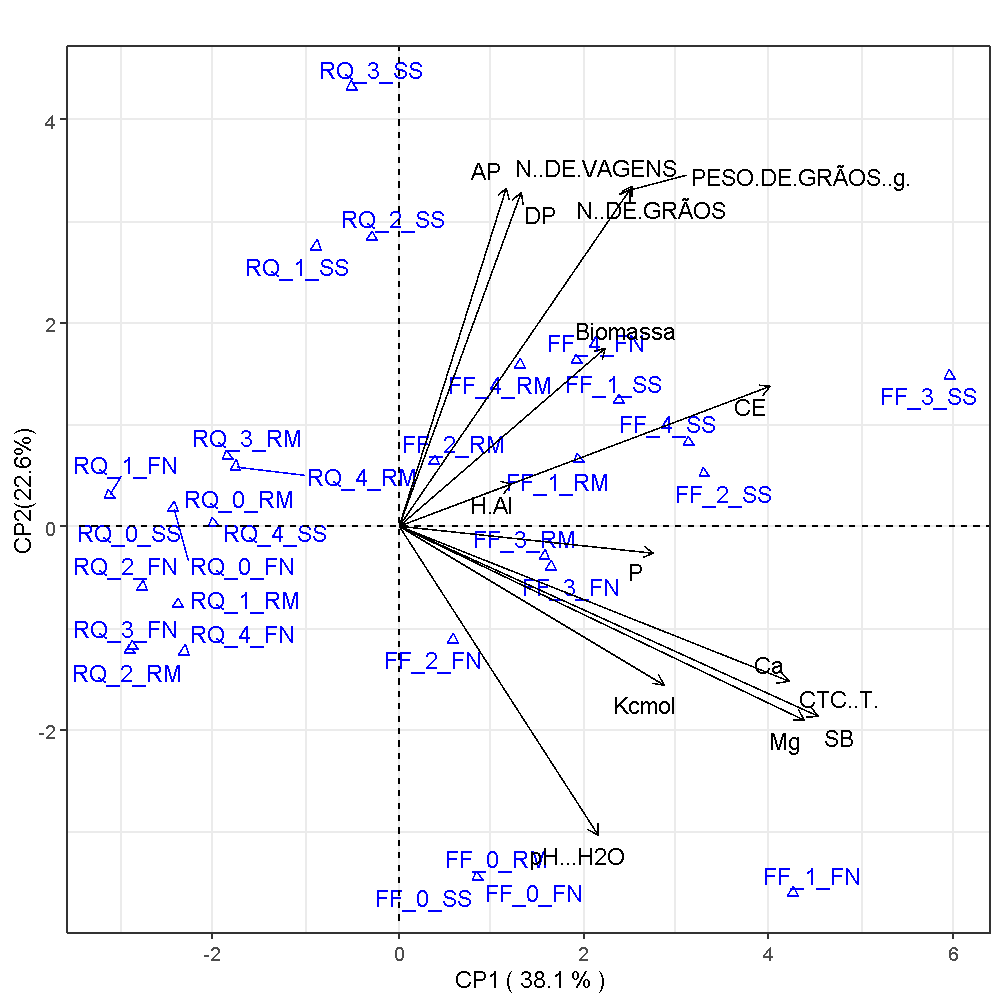
The objective of this study was to evaluate fertilizer sources and application rates on soybean development
under no-tillage in different soil types, aiming to promote sustainable and productive practices in the Cerrado
biome. The study compared the performance of soybean (variety DM80I79 IPRO) grown under no-tillage in
fragile Cerrado soils subjected to different fertilizer sources and rates. Treatments consisted of two soil types
(Typic Quartzipsamment and Petric Plinthosol with argisolic characteristics), three fertilizer sources (soluble,
remineralizer, and natural phosphate), and five application rates (0%, 50%, 100%, 150%, and 200% of the
recommended P₂O₅ rate for soybean cultivation). The experiment followed a completely randomized design
(CRD) in a 2×3×5 factorial arrangement (soil type, fertilizer source, and application rate) with four
replications. The soluble fertilizer source (Single Superphosphate) showed a positive effect on plant growth and development, as well as on yield, presenting superior results compared to the other fertilizer sources,
particularly at the 3 Mg ha⁻¹ rate, both in conventional and no-tillage systems. Natural phosphate, although
less effective than the soluble source, produced better results than the remineralizer, also contributing
positively to yield and plant development at the 3 Mg ha⁻¹ rate. Thus, the results indicate that natural phosphate
can be effective as a nutritional supplement but does not fully replace soluble fertilizers.
Downloads
Published
Issue
Section
License
Copyright
Upon acceptance of a manuscript, authors will be asked to complete an "exclusive license" form that will allow the manuscript to be disclosed in the form of open access. In order to do the work of publishing and disseminating the research paper manuscript we need the rights to publish. For open access manuscripts, we use an exclusive licensing agreement where authors retain copyright from their manuscript.
In this agreement the authors retain rights to:
-Patents and other intellectual property rights in manuscript
-The right to credit for published work